Moving Back to Tacoma? What’s Changed and How to Find a Home Now
If you are thinking about moving back to Tacoma, there are plenty of reasons to consider coming home. Tacoma has grown, added new businesses, including shops and restaurants, become a little more expensive, but the qualities that made many of us love it in the first place are still here.
My name is Laura Anderson, and I am a born-and-raised Tacoma local and real estate agent. I now help people buy, sell and relocate throughout Tacoma and Pierce County, including people who are returning after living somewhere else for years.
Moving back can feel familiar and completely different at the same time. You may remember the streets, parks and general layout, but the housing market and some of the neighborhoods may not look the way they did when you left.
Here is what I would want a friend to know before relocating to Tacoma and buying a home here today.
Why People Are Moving Back to Tacoma
People return to Tacoma for many of the same reasons they missed it while they were away; Some want to be closer to parents, siblings or longtime friends. Others are ready to buy a home, put down roots or trade a faster and more expensive city for a lifestyle that feels more manageable.
Tacoma offers a combination that can be difficult to find elsewhere. It feels like a smaller town in many ways, but we still have restaurants, museums, live music, neighborhood business districts, community events and plenty to do.
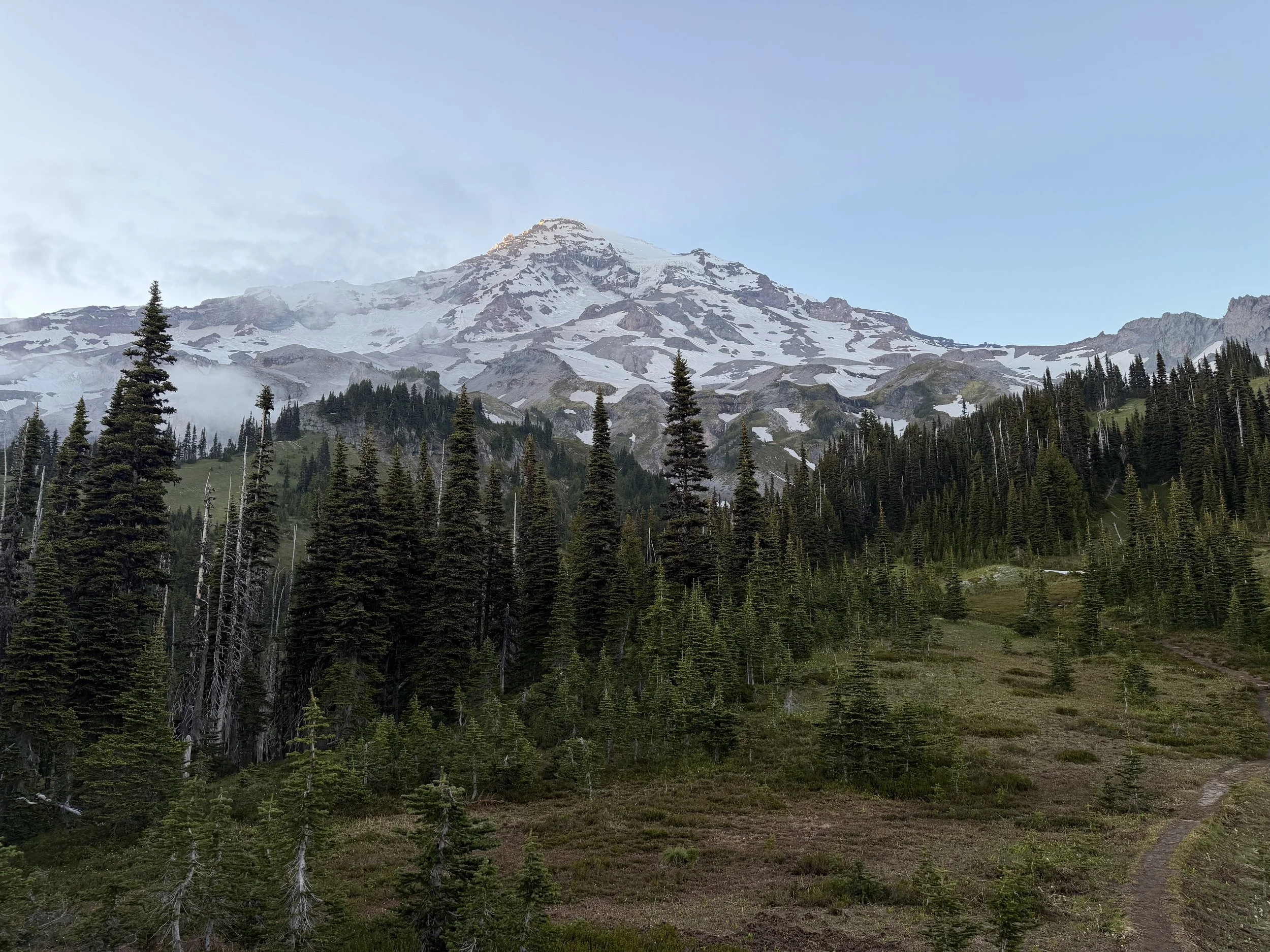
We also have incredible access to nature. You can walk along Puget Sound in the morning, spend the afternoon near Mount Rainier and still be home for dinner. Point Defiance, Titlow Beach, Ruston Way and nearby trails make it easy to enjoy the outdoors without planning an entire vacation.
Many returning locals are not searching for the Tacoma they left. They are looking for the parts of Tacoma they loved, combined with the life they want now. That might mean a yard, a home office, a walkable business district, space for visiting family or a property with ADU or DADU potential. It may also mean living closer to the people and places that still feel like home.
What Has Changed in Tacoma Since You Left?
If you moved away 10 or 15 years ago, one of the biggest surprises may be how many new restaurants, coffee shops and independent businesses have opened. Areas throughout Tacoma now offer more places to eat, shop and gather. Some neighborhood business districts feel busier (hello large new builds in Proctor District, or the glow-up and cool art structures on 38th), and areas that once had relatively few options have added restaurants, breweries, fitness studios and small businesses.
The waterfront has also continued to evolve. Point Ruston added housing, restaurants, shops and public gathering spaces while expanding the experience of the Ruston Way waterfront.
Tacoma still has the older neighborhood spots people remember, but there are now far more choices mixed in with them. Places like Proctor, 6th Avenue and downtown have continued to change, and new businesses are spread throughout many other parts of the city.
Housing has changed too. Home prices in Tacoma are considerably higher than they were 10 or 15 years ago. Buyers are also navigating different interest rates, inspection decisions, competition and older homes that may have received varying levels of maintenance or renovation. Tacoma’s zoning and housing options have evolved as well. Buyers may encounter duplexes, homes with existing accessory dwelling units, properties with potential for a future DADU and lots affected by newer residential zoning rules. More growth does not mean every part of Tacoma has changed in the same way. It is worth approaching the city with fresh eyes, even if you once knew it well.
How to Decide Where to Buy When Moving Back to Tacoma
Finding the best Tacoma neighborhood for you can be challenging as there are so many to choose from. The right area depends on the buyer’s commute, preferred housing style, budget and everyday priorities.
My role is to help clients compare objective factors and learn what their money may buy in different parts of Tacoma and Pierce County.
We might discuss:
Your desired commute and freeway access
Whether you want to walk to restaurants or businesses
The age and architectural style of the home
Lot size and yard space
Garage and parking needs
Access to parks, waterfront areas or public transit
Whether an ADU or DADU is part of your plan
How much updating you are comfortable taking on
Proximity to the people and places you visit regularly
Returning locals sometimes begin their search based on the Tacoma they remember. Someone may initially focus on the neighborhood where they grew up, only to realize that another part of the city works better for their current routine and budget. Tacoma contains a wide mix of homes and neighborhood settings. The North End and Proctor area are known for older homes and established business districts. West Tacoma includes areas near Titlow, the Narrows and Westgate, with a combination of mid-century homes, ramblers, condos and other housing styles. Central Tacoma and the 6th Avenue area offer convenient access to many parts of the city, along with older homes and nearby businesses. South Tacoma, Lincoln, the Eastside and Northeast Tacoma each have their own mix of housing, street layouts and access points. Nearby communities such as Fircrest and University Place may also be part of the conversation, depending on a buyer’s priorities.
Rather than deciding based on a neighborhood’s reputation or someone else’s opinion, I encourage buyers to explore several areas in person when possible. Drive the routes you would regularly use, visit at different times of day and pay attention to how each location would work for your actual life.
What Does It Cost to Buy a Home in Tacoma?
While still considerably more affordable than Seattle, Tacoma is no longer the inexpensive alternative that some returning locals may remember.
As of August 2026, Tacoma’s median home sale price was approximately $500,000. That number provides useful context, but it does not describe every segment of the market. Prices vary significantly based on the location, property type, condition, lot, square footage and level of renovation. At lower price points, buyers may encounter condos, townhomes, smaller houses or homes requiring repairs and updates. Around Tacoma’s middle price ranges, the options may include ramblers, Craftsman homes, mid-century houses and other detached homes with different combinations of size, condition and location. Higher budgets can open up larger homes, remodeled properties, water or mountain views, additional living space and homes in areas where buyer demand is especially strong.
These are broad patterns rather than promises. Available inventory changes constantly, and two similarly priced homes may offer completely different tradeoffs. When helping someone move to Tacoma, we prefer to begin with the buyer’s comfortable monthly payment and priorities. From there, we can look at real listings and recent sales to determine what is realistically available.
What Hasn’t Changed About Tacoma?
Tacoma has grown, but it hasn’t lost its personality.
It still feels like a place where people become regulars. You find a favorite coffee shop, restaurant, park, gym or neighborhood bar, and eventually you start seeing familiar faces. The city still has distinct neighborhoods rather than feeling like one continuous commercial area. Tacoma’s older homes, tree-lined streets, local businesses and neighborhood gathering places give different parts of the city their own character. Point Defiance is still one of the best places to walk, spend time near the water or remember how lucky we are to live here. Ruston Way and Titlow remain places where people meet friends, walk their dogs and watch the sun set over Puget Sound. It is possible to enjoy museums, restaurants and community events while remaining close to beaches, forests and mountains. That balance is difficult to explain until you have lived here. Tacoma offers many of the amenities of a larger city, but it can still feel personal and connected. For many people moving back to Tacoma, that feeling is exactly what they have missed.
Common Mistakes Returning Tacoma Buyers Make
Assuming Tacoma is priced the way they remember
Home values and financing costs have changed. Looking at current listings and recent comparable sales early in the process will give you a more realistic starting point.
Limiting the search to one familiar area
The neighborhood you remember may have changed, and your life may have changed too. Expanding the initial search can help you compare more homes and understand the tradeoffs available within your budget.
Underestimating older-home maintenance
Tacoma has beautiful Craftsman houses, mid-century homes, ramblers and other older properties. Character does not eliminate the need to investigate the roof, sewer line, electrical system, plumbing, foundation, drainage and previous renovations.
Judging a house only by its listing photos
Professional photos may not show the street, surrounding properties, room proportions, natural light, noise or deferred maintenance. Those details become especially important when buying from outside the area.
Waiting too long to prepare financing
A local lender can help you understand your purchasing power, monthly payment and the timing of a move. Getting pre-approved before the right home appears can prevent unnecessary delays.
Buying a Tacoma Home From Out of State
You do not necessarily have to move back before buying a home in Tacoma. My partner agents and I have helped relocation clients purchase from other states using a detailed remote-buying process. We start with a phone or Zoom conversation about your timeline, budget and priorities. From there, we help you compare areas and set up a search based on what matters to you.
When a promising home becomes available, my team and I research the property before scheduling a private showing. We can send video, walk through the home with you over FaceTime and point out details that professional listing photos may not capture.
That includes:
The home’s layout and room sizes
Natural light
Storage and closet space
The condition of finishes
Older-home quirks
The yard and neighboring properties
Traffic or street noise
Views from the windows
Potential maintenance concerns
If you decide to make an offer, we will talk you through comparable sales, market conditions, the contract and the decisions involved at each stage.
You can read more about the process in my guide, Moving to Tacoma? Here’s What Buying a Home From Another State Really Looks Like.
Moving Back to Tacoma FAQ
Is Tacoma still more affordable than Seattle?
Tacoma housing is generally less expensive than Seattle housing, although Tacoma is not inexpensive. The actual difference depends on the property type, location, commute and features you are comparing.
How do I choose the right Tacoma neighborhood?
Start with objective priorities such as budget, commute, housing style, lot size, walkability and proximity to the places you use. I can help you compare different areas without making assumptions about which one should be right for you.
How long does it take to buy a home from out of state?
The timeline depends on financing, inventory and how specific your search is. Once you are under contract, closing commonly takes about three to five weeks, although your complete home search may be shorter or longer.
Do I need to visit Tacoma before making an offer?
Not necessarily. Some relocation clients visit before buying, while others rely on virtual tours, videos, inspections and local support. The right approach depends on your comfort level and circumstances.
Thinking About Coming Home to Tacoma?
My honest advice is to explore the possibility without assuming Tacoma will be exactly the way you remember it. Spend time in different parts of the city. Revisit the places you loved, but also explore areas and businesses that did not exist when you left. Look at current homes and prices before deciding what your move should look like.
Tacoma has changed. It has grown, become more expensive and added more people, restaurants and businesses. It still offers neighborhood character, a strong sense of community and remarkable access to both Puget Sound and the mountains. Coming home may not mean returning to your old version of Tacoma. It may mean finding the part of Tacoma that fits the life you are building now. Thinking about moving back to Tacoma? Let’s talk about what you are looking for and create a plan for coming home.